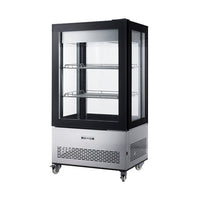
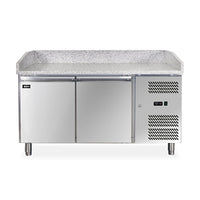
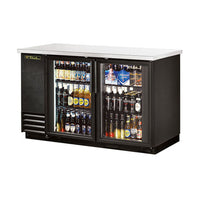

An efficient kitchen is not the result of working harder. It comes from making smarter decisions about layout, workflow, staffing, and equipment. Commercial kitchen efficiency affects everything from labour costs and food quality to customer wait times and staff morale. Whether you are managing a restaurant, hotel kitchen, or catering operation, inefficiency adds up quickly.
The right foundation starts with the right tools. Sourcing quality commercial kitchen equipment in Canada built for high-volume foodservice environments is one of the most direct investments a kitchen operator can make. Beyond equipment, seven practical strategies can make a measurable difference in how smoothly your kitchen runs.Ways to Improve Commercial Kitchen Efficiency
Here are some ways to improve commercial kitchen efficiency. Let us look at each in detail:
Key Takeaways
-
A well-planned kitchen layout eliminates unnecessary movement and reduces bottlenecks during peak service.
-
Standardising food preparation workflows cuts prep time and reduces the margin for error.
-
Upgrading to modern, purpose-built equipment directly increases output and reduces downtime.
-
Energy-efficient equipment lowers utility costs without compromising performance.
-
Steam cooking equipment speeds up cooking times and improves consistency across menu items.
-
Clear staff roles and training protocols reduce miscommunication and wasted effort.
-
Inventory tracking and waste monitoring protect margins and support better purchasing decisions.
1. Optimise Your Kitchen Layout
 Kitchen layout is the single most influential factor in restaurant kitchen efficiency. A poorly designed layout forces kitchen staff to cover unnecessary distance between workstations, creates crossing traffic during service, and slows every step from prep to plating. A well-designed commercial kitchen groups related tasks together and keeps the path from preparation to service as direct as possible.
-
Zone your kitchen by function: prep, cooking, plating, and washing should each have a clearly defined area.
-
Position high-use equipment at the centre of its workflow zone to minimise movement.
-
Ensure aisle widths meet safety standards and allow two staff members to pass without obstruction.
-
Review your layout regularly as your menu or volume changes. What worked at lower covers may create bottlenecks at peak capacity.
2. Standardise Food Preparation Workflows
Inconsistency in preparation is one of the most common causes of slow service and variable food quality. Kitchen workflow optimization starts with documenting how every dish is prepared and ensuring every staff member follows the same process every time.
-
Create prep sheets that outline each dish's ingredients, portion sizes, and preparation steps.
-
Assign prep tasks by workstation to avoid duplication and keep mise en place organised.
-
Batch-prep high-volume ingredients during quieter periods to reduce pressure during service.
-
Review your prep workflow whenever you introduce a new dish or notice a recurring bottleneck.
3. Invest in the Right Commercial Kitchen Equipment
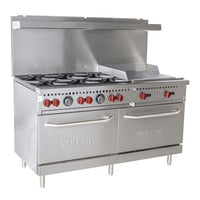
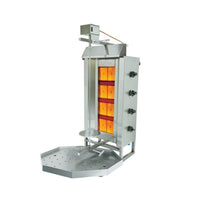
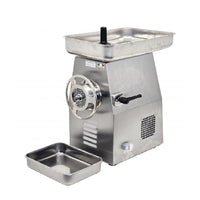
Equipment choice directly affects kitchen productivity. Outdated or undersized equipment creates delays, increases the risk of breakdowns during service, and adds extra physical strain on kitchen staff. The right equipment for your volume and menu type allows your team to work at full capacity without constant workarounds.
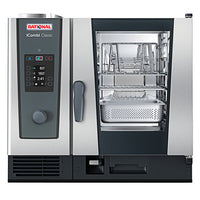
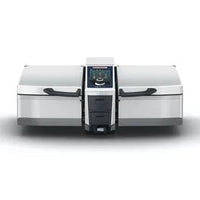
Choosing the best commercial kitchen equipment for your operation means matching the equipment's capacity to your actual service demands, not just the space available. A combi oven that suits a 50-cover restaurant will underperform in a 200-cover hotel kitchen.
-
Audit your current equipment for output capacity, energy consumption, and maintenance frequency.
-
Replace equipment that breaks down repeatedly or limits throughput during peak service.
-
Prioritise multi-function equipment where space is limited to keep workstations versatile.
4. Upgrade to Energy-Efficient Equipment
 Energy costs are one of the largest controllable expenses in a commercial kitchen. Energy-efficient ceiling fans and equipment upgrades reduce utility bills without reducing output. Modern foodservice equipment is significantly more efficient than older models and pays back the investment through lower operating costs over time.
-
Replace ageing refrigeration units with models that carry current energy efficiency ratings.
-
Upgrade to induction cooking stations where suitable. Induction transfers heat more efficiently than gas or conventional electric elements.
-
Install LED lighting throughout the kitchen. The heat reduction also benefits ventilation load.
-
Service HVAC and ventilation systems regularly. Blocked filters and poorly calibrated systems waste significant energy.
5. Incorporate Steam Cooking Equipment
Steam cooking is one of the most efficient cooking methods available to commercial kitchens. It reduces cooking times, maintains consistent results across large batches, and requires less supervision than conventional cooking methods. Understanding the benefits of steam cooking equipment is particularly relevant for operations cooking high volumes of proteins, vegetables, and grains.
-
Convection steamers cook faster than conventional ovens and hold moisture in the food, reducing shrinkage.
-
Combi ovens combine steam and convection heat, providing flexibility across a wide range of menu items.
-
Pressure steamers significantly reduce cooking times for bulk prep items, including rice, legumes, and root vegetables.
-
Steam cooking equipment typically requires less direct supervision, freeing up kitchen staff during service.
6. Invest in Staff Training and Clear Role Allocation
Even the best-equipped kitchen underperforms when roles are unclear, or staff lack the training to use equipment correctly. Commercial kitchen management depends as much on people as it does on layout and tools. Poorly trained staff slow every step of service and create safety risks.
Kitchens that invest in defined roles and consistent training schedules see measurable improvements in speed, quality, and staff retention.
-
Define each role clearly before service begins. Every staff member should know their station, their tasks, and who they report to during a shift.
-
Cross-train staff across multiple stations to build resilience against absences.
-
Conduct regular equipment training, particularly after upgrades or menu changes.
-
Hold brief pre-service briefings to address any prep gaps and set expectations for the shift ahead.
7. Track Inventory and Reduce Food Waste
 Food waste directly drains profitability, and untracked inventory makes it impossible to control. Restaurant operational efficiency means knowing what you have, using it before it spoils, and buying only what demand requires.
-
Implement a first-in, first-out (FIFO) system for all refrigerated and dry goods.
-
Conduct daily or weekly inventory counts and compare them against purchase and sales records.
-
Use portion control tools and standardised recipes to reduce overuse of key ingredients.
-
Track waste by category to identify recurring issues in prep, cooking, or plating.
-
Adjust purchasing quantities based on actual usage data, not estimates.
Final Thoughts
Improving commercial kitchen efficiency is an ongoing process, not a one-time fix. Layout, equipment, workflow, staffing, and inventory control all interact. Addressing one area while neglecting the others limits how much you can improve overall.
The most effective kitchens revisit these areas regularly and make incremental improvements as operations evolve. Start with the area creating the most friction in your current service and work outward from there.
For Canadian foodservice operators looking for reliable, high-performance kitchen equipment, A3Equipment supplies a full range of commercial kitchen solutions built for the demands of professional kitchen environments. From cooking and refrigeration to food preparation and warewashing, the range covers the equipment decisions that most directly affect kitchen performance.
Frequently Asked Questions
How can I improve commercial kitchen efficiency?
Start with your layout, workflow, and equipment. Position each workstation logically, standardise prep processes, and match equipment to your service volume. Staff training and inventory control support the gains you make in those foundational areas.
What makes a commercial kitchen efficient?
An efficient commercial kitchen has a logical layout, well-maintained equipment suited to its volume, clearly defined staff roles, standardised workflows, and systems for tracking inventory and waste. Each element supports the others.
How does kitchen layout affect restaurant efficiency?
Layout determines how far staff travel between tasks, how easily multiple stations can operate simultaneously, and where bottlenecks form during peak service. A well-zoned kitchen reduces unnecessary movement and keeps the flow from prep to service direct and unobstructed.
What equipment can improve commercial kitchen efficiency?
Combi ovens, pressure steamers, commercial dishwashers with fast cycle times, modern refrigeration, and high-capacity prep equipment all contribute to a faster, more consistent kitchen. Match equipment to your service volume and menu requirements rather than choosing it purely on price.
How can restaurants improve kitchen workflow?
Standardise preparation processes with documented recipes and prep sheets, assign tasks to specific stations, batch-prep during quiet periods, and review your workflow regularly against actual service performance. Clear communication between front and back of house also reduces unnecessary interruptions during service.