
Cotton candy has quietly become one of the highest-margin items a concession stand, fair, or event business can sell. A few dollars of sugar turned into a treat people happily pay $5 or more for. According to IBISWorld data, Canada's street food and concession sector has grown at roughly 6.2% a year, reaching an estimated $418.5 million in 2025, with demand for fast, visual, crowd-pleasing treats driving much of that growth. A commercial cotton candy machine is one of the simplest ways to tap into that demand, but not every unit on the market is built to run all day, every event.
This commercial cotton candy machine buying guide covers what to look for, what to expect to spend, and how to match a machine to your business.
Key Takeaways
-
Commercial cotton candy machines use a spinning head and heating element to turn sugar into floss, and are built to run continuously, unlike home units.
-
Bowl size (commonly 20" to 28") determines both production capacity and visibility, which matters for impulse sales.
-
Stainless steel bowls, a removable floss head, and a speed adjuster are the features that affect daily usability the most.
-
Expect countertop models to start around $400–$500 CAD, with larger high-volume or trolley units priced higher.
-
A well-run commercial machine can produce 100+ servings per hour, though humidity and operator speed affect real-world output.
What Is a Commercial Cotton Candy Machine?
A commercial cotton candy machine, also called a commercial cotton candy maker or candy floss machine, uses a spinning head to melt sugar and fling it through tiny holes, where it cools instantly into thin strands of cotton candy floss. Unlike home or novelty units, a commercial-grade machine is built with a stronger motor, a larger sugar container, and a stainless steel bowl designed to run continuously through a full shift of service.
You'll typically see these listed as commercial cotton candy machines with bowl sizes around 20 to 28 inches. The bowl size directly affects how much floss you can spin per batch and how visible the machine is to customers walking by.
Countertop vs. High-Volume Machines
Not every business needs the same setup. A countertop cotton candy machine with a smaller bowl works well for a school fundraiser, birthday party rental, or a low-traffic concession counter. A high-volume cotton candy machine or heavy-duty cotton candy machine, usually with a larger bowl and a trolley base for mobility, suits fairs, arcades, and vendors doing back-to-back sales all day.
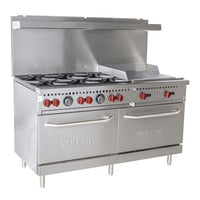
As part of a broader concession or snack bar setup, a cotton candy machine often sits alongside other commercial food equipment. If you're outfitting a full concession stand or food truck, it's worth browsing the full range of commercial cooking equipment to see what pairs well. Popcorn machines, hot dog rollers, and warmers are common companions.
Types of Commercial Cotton Candy Machines
Not every business needs the same setup, and the type of machine you pick usually matters more than any single feature on the spec sheet.
-
Countertop cotton candy machine: The most common type for smaller operations. It sits on an existing counter or table, has a smaller bowl (often around 20"), and works well for a school fundraiser, birthday party rental, or a low-traffic concession counter.
-
Cart or trolley-mounted machine: A countertop unit paired with a mobile base, letting you wheel it between locations or set it up as a standalone stand at a fair or festival. This is the go-to choice for vendors who move between events regularly.
-
High-volume cotton candy machine: Built with a larger bowl (commonly 28" or more) and a stronger motor, designed to keep up with back-to-back sales all day at fairs, arcades, or busy event venues. These are sometimes marketed as a heavy-duty cotton candy machine for exactly this reason.
-
Electric cotton candy machine: The standard choice for most commercial settings, since it's simpler to run, easier to maintain, and doesn't need a gas line or propane tank the way some large festival-scale units do.
The right type depends on how often the machine moves, how large your bowl needs to be for peak-hour demand, and whether it needs to double as a visual draw for foot traffic. As part of a broader concession or snack bar setup, a cotton candy machine often sits alongside other commercial food equipment. If you're outfitting a full concession stand or food truck, it's worth browsing the full range of commercial cooking equipment.
What Features Should You Look For?

When comparing units, focus on the parts that see the most wear:
-
Floss head and spinning head: This component fails first on cheap machines; look for one that's easy to detach and clean.
-
Stainless steel bowl: Resists sugar residue buildup and corrosion far better than painted metal.
-
Sugar spinner and heating element: A reliable heating element keeps sugar melting evenly, which affects both speed and floss quality.
-
Speed adjuster: Lets you control production speed depending on how thick or fine you want the floss.
-
Removable bowl: Makes end-of-day cleaning dramatically faster, which matters more than most first-time buyers expect.
These details matter more than horsepower or brand name. A machine with a hard-to-clean floss head will slow service and shorten the equipment's lifespan, no matter how powerful the motor is.
How Much Does a Commercial Cotton Candy Machine Cost in Canada?
Pricing depends mainly on bowl size and whether the unit includes a mobile trolley. Countertop electric cotton candy machines with a 20-inch stainless steel bowl typically start in the $400–$500 CAD range, while larger 28-inch bowl units or trolley-mounted machines built for continuous, high-volume production cost more. Replacement parts like bowl covers are a smaller, ongoing cost worth budgeting for, since they protect the bowl between events.
If you're sourcing multiple pieces of equipment at once, working with an established kitchen equipment supplier in Canada can also simplify warranty support and servicing down the line compared to piecing equipment together from multiple one-off sellers.
How Much Cotton Candy Can a Commercial Machine Produce Per Hour?
Production capacity is one of the most overlooked specs in a commercial cotton candy machine buying guide, and it's a fair question to ask before you buy: a well-maintained commercial unit can typically produce well over 100 servings per hour once it's up to temperature, since each batch only takes a matter of seconds to spin once the sugar starts melting. Actual output depends on the operator's speed, humidity (cotton candy floss is sensitive to moisture), and how consistently the bowl is kept clean between batches.
How Do I Choose the Right Commercial Cotton Candy Machine?

For anyone wondering how to choose a commercial cotton candy machine, it comes down to three questions: How many servings do you realistically need per hour at peak demand? Will the machine move between locations, or stay in one spot? And how much time can staff spend on cleaning between events? Answering these honestly upfront saves you from buying a countertop unit that can't keep up with a fair-sized crowd, or an oversized machine that's overkill for a small stand.
What to Look for in a Commercial Cotton Candy Machine?
When comparing units, focus on the parts that see the most wear:
-
Floss head and spinning head: This is the component that fails first on cheap machines; look for one that's easy to detach and clean.
-
Stainless steel bowl: Resists sugar residue buildup and corrosion far better than painted metal.
-
Sugar spinner and heating element: A reliable heating element keeps sugar melting evenly, which affects both speed and floss quality.
-
Speed adjuster: Lets you control production speed depending on how thick or fine you want the floss.
-
Removable bowl: Makes end-of-day cleaning dramatically faster, which matters more than most first-time buyers expect.
These details matter more than horsepower or brand name. A machine with a hard-to-clean floss head will slow service and shorten the equipment's lifespan, no matter how powerful the motor is.
Final Thoughts
A commercial cotton candy machine can be a practical investment for the right venue, especially when it is properly sized for your business needs. When choosing equipment from A3 Equipment, focus on bowl construction, ease of cleaning, and realistic production capacity rather than price alone. The right machine can help you handle busy events efficiently and provide reliable performance throughout the season.
Frequently Asked Questions
What is a commercial cotton candy machine?
It's a heavy-duty version of a cotton candy maker with a stronger motor, a larger sugar container, and a durable stainless steel bowl designed for continuous commercial use, unlike home or party-store units.
How do I choose the right commercial cotton candy machine?
Match the bowl size and production capacity to your peak-hour demand, decide if you need a mobile trolley base, and prioritize a removable floss head and stainless steel bowl for easier cleaning.
What features should I look for in a commercial cotton candy machine?
Look for a stainless steel bowl, an easily removable floss/spinning head, a reliable heating element, and a speed adjuster to control floss thickness and production rate.
How much does a commercial cotton candy machine cost in Canada?
Countertop units with a 20-inch bowl generally start around $400–$500 CAD, while larger bowl sizes and trolley-mounted, high-volume machines cost more.
How much cotton candy can a commercial machine produce per hour?
A well-maintained commercial unit can typically produce over 100 servings per hour, though actual output varies with humidity, operator speed, and bowl cleanliness.