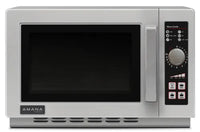

Dish pit bottlenecks are one of the quietest ways a restaurant loses money. Because the wrong machine is trying to do a job it wasn't built for, servers and cooks wait for clean plates and pans, slowing down the kitchen. Choosing the right commercial dishwasher equipment isn't just about getting dishes clean; it's about matching the machine to your volume, your space, and your menu so the back of house never becomes the bottleneck.
This guide walks through the main types of commercial dishwashers available for Canadian restaurants, how to size one correctly, and what features actually matter once you're comparing models.
Key Takeaways
-
Choose an undercounter, door-type, pass-through, conveyor, or flight-type dishwasher based on your restaurant's volume and space, not just your budget.
-
Size for peak-hour racks per hour, not your average service, to avoid a dish pit bottleneck during rushes.
-
Wash and rinse temperatures are required by health codes.
-
Factor installation requirements (water, drainage, electrical) into your decision before the unit arrives.
-
Routine maintenance, including delimimg and filter cleaning, protects your investment and keeps inspections smooth.
Why the Right Dishwasher Matters More Than You'd Think

A Commercial dishwasher isn't just a bigger version of what you'd find at home. Restaurant dishwashers are engineered for rapid, repeated cycles, higher wash and rinse temperatures to meet sanitation compliance requirements, and heavy daily use across hundreds of covers. A machine that's undersized for your volume will bottleneck service during peak hours, while an oversized unit wastes water, energy, and floor space you likely don't have to spare.
You can avoid a costly reinstallation later on if you make this choice right away. It also keeps your kitchen working the way it should.
Types of Commercial Dishwashers
Not every kitchen needs the same washing setup. Here's how the main commercial dishwasher types break down.
Undercounter Dishwashers
Compact and space-efficient, undercounter dishwashers fit under a standard counter and suit small cafés, bars, and low-volume kitchens. They run shorter cycles and handle lower rack counts per hour, but they're an easy fit where floor space is tight.
Door-Type (Hood-Type) Dishwashers
The best commercial dishwasher is the workhorse of most mid-sized restaurants. The operator loads a rack, pulls the hood down, and the machine runs a fast, high-temperature cycle. These units strike a good balance between speed, footprint, and capacity for full-service restaurants handling steady dish volume.
Pass-Through Dishwashers
A pass-through dishwasher is designed to sit between two work areas, with dirty dishes loaded on one side and clean dishes unloaded on the other. This layout is popular in kitchens that want a dedicated, one-directional dishwashing station to keep dirty and clean areas physically separated.
Conveyor and Flight-Type Dishwashers
For places with a lot of dishes to clean, like big hotels, hospitals, or banquet halls, a conveyor or flight type dishwasher does almost all of the loading for you and moves the dishes continuously through the wash and rinse zones. These are a significant investment but deliver the racks-per-hour throughput that high-turnover kitchens need.
Glasswashers and Pot Washers
Specialty equipment matters too. A dedicated glasswasher protects glassware from chipping and cloudiness in a way a standard dishwasher can't, which is why most bars run one separately. On the other end, a pot washer is built to handle heavily soiled, oversized cookware that a standard dish rack simply won't accommodate.
What Size Commercial Dishwasher Do You Need?
Commercial dishwasher capacity should be based on your peak-hour dish volume, not your average. Walk through:
-
Racks per hour. Undercounter units typically handle 20–30 racks per hour, door-type units 40–60+, and conveyor systems well beyond that. Match this figure to your busiest service period, not a quiet Tuesday afternoon.
-
Commercial dishwasher size and footprint. Measure your available space, including clearance for loading, unloading, and any required drainage or venting.
-
Menu complexity. A kitchen running heavy sauté and braising work generates more pots and pans than a sandwich shop, which affects whether you need a separate pot washer alongside your main unit.
Key Features to Look For
When comparing commercial dishwasher features, a few details matter more than the spec sheet suggests:
-
Wash and rinse temperature: For proper sanitation, health codes require certain wash cycle and rinse cycle temperatures. For high-temp units, these are usually around 60°C (140°F) for the wash cycle and at or above 82°C (180°F) for the final rinse, but the exact temperatures needed depend on the province and type of machine. NSF-certified units are built to meet these food-safety benchmarks consistently; you can review NSF's food equipment standards for more detail.
-
Cycle time: Faster wash cycles can clean more racks per hour, but make sure that the shorter cycles still reach the right temperature for the rinse. Speed shouldn't mean less cleanliness.
-
Water and energy efficiency: Commercial dishwasher for restaurants ratings affect both your utility bills and, in many provinces, your eligibility for energy rebate programs.
-
Build quality: Stainless steel interiors resist corrosion and hold up to daily commercial use far longer than lower-grade materials.
Installation and Maintenance
Commercial dishwasher installation needs to account for water supply lines, drainage, electrical requirements, and in some cases ventilation for heat and steam. It's worth confirming these details with your equipment supplier before the unit arrives, especially if you're retrofitting an existing dish pit rather than building from scratch.
Once installed, commercial dishwasher maintenance is what keeps the unit performing at spec. Daily cleaning of spray arms and filter screens, regular delimimg to prevent mineral buildup, and periodic checks on wash and rinse temperatures will extend the life of the machine and keep it compliant with health inspections.
A3equipment works with restaurants across Vancouver and the Lower Mainland to plan and supply complete Commercial Kitchen Equipment packages, from the line to the dish pit, so every station is built to handle your actual volume.
Building Out the Rest of Your Kitchen
In most cases, dishwashers are purchased with ranges, ovens, and prep stations. Pairing your dish pit decision with the right Commercial cooking equipment ensures your whole kitchen workflow, from cooking to cleanup, is sized and planned together rather than piecemeal.
FAQs
What type of commercial dishwasher is best for a restaurant?
It depends on volume and layout. Most mid-sized, full-service restaurants do well with a door-type commercial dishwasher for its balance of speed and footprint, while smaller cafés often suit an undercounter model, and high-volume operations need a conveyor or flight-type system.
How do I choose the right commercial dishwasher for my restaurant?
Start with your peak-hour dish volume, available space, and menu complexity (including pots and glassware). From there, compare racks-per-hour capacity, wash and rinse temperatures, and energy efficiency across models that fit your footprint.
What are the different types of commercial dishwashers?
The main categories are undercounter, door-type (hood-type), pass-through, conveyor, and flight-type dishwashers, along with specialty units like glasswashers and pot washers for specific needs.
What size commercial dishwasher do I need?
Size your dishwasher to your busiest service period, not your average day. Measure the available floor space and required clearance, then compare them against the racks-per-hour capacity of the models you're considering.
How many racks per hour can a commercial dishwasher wash?
Capacity varies by type: undercounter units typically handle 20–30 racks per hour, door-type units 40–60 racks per hour or more, and conveyor- or flight-type systems can exceed that significantly for high-volume kitchens.