
In a busy commercial kitchen, you have to keep speed, consistency, and food quality in check all the time, and often all at the same time. That's why more restaurant owners and foodservice operators across Canada are investing in commercial steam cooking equipment. From fine-dining kitchens to institutional cafeterias, steam-based cooking is proving to be one of the smartest additions a kitchen can make.
If you're weighing whether it's time to upgrade your line, this guide walks through why restaurants should invest in steam cooking equipment, what to look for, and how it fits into a modern, efficient kitchen.
Key Takeaways
-
Steam cooking equipment preserves moisture, nutrients, and flavor better than many conventional cooking methods.
-
It supports healthier cooking methods with little to no added oil, appealing to health-conscious diners.
-
Faster, more even cooking improves consistency and speeds up service during peak hours.
-
Steam equipment is generally more energy-efficient and reduces food shrinkage, improving cost control.
-
Convection steam ovens and combi ovens add versatility, letting kitchens do more with less equipment.
-
Steam cooking supports food safety compliance through consistent, reliable temperatures.
-
It works for all kinds of restaurants, from fast food to fine dining to institutional foodservice.
-
When buying, match equipment to kitchen volume, confirm utility requirements, and choose a reputable supplier.
What Is Commercial Steam Cooking Equipment?
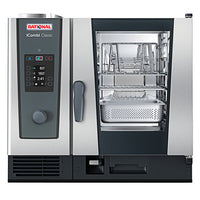
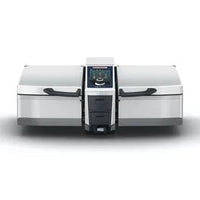
Food is cooked with controlled steam in commercial steam cooking equipment instead of dry heat or oil. This includes commercial food steamers, convection steam ovens, and combi ovens that combine steam with convection heat for greater versatility. Unlike traditional cooking appliances, steam equipment surrounds food with moist heat, cooking it evenly while locking in nutrients, color, and flavor.
This category has become a core part of modern commercial kitchen equipment Canada lineups, sitting alongside grills, fryers, and ovens as an essential rather than a luxury.
Why Should Restaurants Invest in Steam Cooking Equipment?

Here is why restaurants should invest in steam cooking equipment:
1. Superior Moisture Retention and Food Quality
One of the biggest advantages of steam cooking is moisture retention. Vegetables stay vibrant, proteins stay tender, and rice or grains cook evenly without drying out. Because steam cooking can improve food quality so noticeably, many chefs consider it non-negotiable for dishes where texture and presentation matter.
2. Healthier Cooking Methods
Steam ovens for restaurants require little to no added oil or fat, making them ideal for kitchens that want to offer healthier menu options. Nutrients that are typically lost through boiling or frying are better preserved with steam, which appeals to health-conscious diners and supports cleaner-label menus.
3. Faster, More Consistent Cooking
Steam transfers heat more efficiently than dry air, which means shorter cook times without sacrificing quality. This means that in high-volume kitchens, tables can be turned faster and results are more consistent across all batches. This is a very important feature for any commercial cooking equipment that is used during busy times.
4. Energy and Cost Efficiency
Because steam cooks faster and at lower temperatures than conventional ovens, it typically uses less energy over time. Lower utility costs, combined with reduced food shrinkage (since steam prevents excessive moisture loss in meats and seafood), make steam equipment a smart long-term investment for any foodservice equipment Canada operators are budgeting for.
5. Versatility Across Menu Categories
Modern convection steam ovens and combi units aren't limited to vegetables or rice. In one machine, they can roast, poach, blanch, reheat, and even proof dough. This versatility reduces the need for multiple single-purpose machines, freeing up valuable kitchen footprint.
6. Food Safety and Compliance
Steam cooking equipment reaches consistent internal temperatures, which support food safety compliance and reduce the risk of undercooking. For institutional kitchens, hospitals, and large-scale catering operations, this consistency is essential.
Is Steam Cooking Equipment Suitable for All Types of Restaurants?
Yes. Steam equipment scales well across concepts. Quick-service restaurants use compact steamers for speed; fine-dining kitchens use combi ovens for precision plating; hotels and catering operations use larger units for volume. Whether you're outfitting a food truck or a full-service restaurant kitchen equipment package, there's a steam solution sized to fit.
Commercial Steam Cooking Equipment Buying Guide

When shopping for professional kitchen equipment, keep these factors in mind:
-
Kitchen volume and menu needs: A small café doesn't need the same capacity as a banquet hall.
-
Steam oven vs. combi oven: Decide whether you need pure steam functionality or the added flexibility of convection heat.
-
Space and utility hookups: Confirm water supply, drainage, and ventilation requirements before purchasing.
-
Ease of cleaning: Look for units with self-cleaning cycles to reduce daily labor.
-
Certifications: Ensure the equipment meets Canadian food safety and electrical standards.
-
Supplier reputation: Work with a trusted supplier of commercial food preparation equipment who can support installation, maintenance, and parts availability.
How to Choose Commercial Steam Cooking Equipment
Start by mapping out your menu's cooking methods, then match that to equipment capacity and features. A high-turnover kitchen should prioritize speed and recovery time; a fine-dining operation may prioritize precision temperature control. Always request a demo or spec sheet, and compare energy ratings, warranty terms, and after-sales service before committing.
For operators researching options locally, resources like this commercial food steamer overview from TFI Canada offer a useful starting point for understanding steamer types available in the Canadian market.
Buying the right commercial cooking equipment improves food quality, efficiency, and profitability. For restaurants and foodservice businesses across the country, steam cooking equipment has become a foundational part of a well-equipped, modern kitchen.
Explore the full range of commercial kitchen equipment in Canada to find the right fit for your operation, or browse A3Equipment's steam and combi oven collection to compare models suited to your menu and volume.
Frequently Asked Questions
1. What is steam cooking equipment?
In the business world, steam cooking equipment includes steamers, convection steam ovens, and combi ovens. These use moist heat to cook food evenly while keeping its moisture, texture, and nutrients.
2. What are the benefits of steam cooking equipment for restaurants?
Benefits include better food quality, healthier cooking with less oil, faster and more consistent cooking, improved energy efficiency, reduced food shrinkage, and greater menu versatility.
3. Is steam cooking equipment suitable for all types of restaurants?
Yes. Steam equipment is available in sizes and configurations suited to quick-service restaurants, fine dining, hotels, catering operations, and institutional kitchens alike.
4. What is the difference between a steam oven and a combi oven?
A steam oven cooks using pure steam only, ideal for vegetables, seafood, and delicate proteins. A combi oven combines steam with convection heat, offering more flexibility for roasting, baking, and browning in addition to steaming.
5. Can steam cooking improve food quality?
Of course. Because steam surrounds food with gentle, even heat, it helps keep the food's natural colour, texture, and nutrients. This makes the food taste and look much better than when cooked in other ways.