
When setting up or upgrading a commercial kitchen, one of the most consequential decisions is whether to invest in custom commercial kitchen equipment or go with standard off-the-shelf options. Both approaches work well in the right context, but they suit very different kitchens, budgets, and operational priorities. The wrong call costs money, creates workflow problems, and is hard to reverse once the kitchen is built.
This guide breaks down custom vs standard kitchen equipment, so you can choose what fits your kitchen and your business.
Key Takeaways
-
Custom commercial kitchen equipment Canada is fabricated to fit a specific layout, workflow, or operational need that standard sizes don't meet.
-
Standard commercial kitchen equipment options are mass-produced to industry dimensions and available quickly at a lower upfront cost.
-
Custom equipment typically costs more upfront but can deliver greater long-term value through better space use and workflow efficiency.
-
Standard equipment suits most start-ups and conventional layouts where off-the-shelf options reliably cover all core functions.
-
A hybrid approach, combining custom fabrication for unique spaces with standard equipment for mainstream functions, is often the most practical solution.
What Is Custom Commercial Kitchen Equipment?
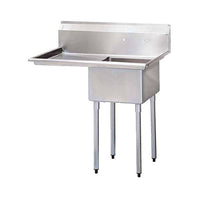
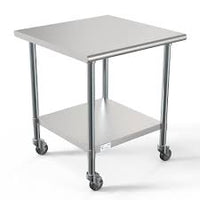
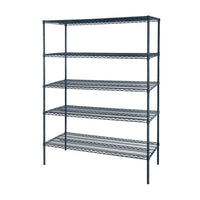
 Custom commercial kitchen equipment is designed and fabricated specifically for a particular kitchen space, workflow, or operational requirement. This typically involves custom stainless steel fabrication, including work surfaces, prep stations, shelving, and storage units built to exact dimensions. Custom equipment is most relevant when a kitchen has an unusual footprint, a specialist service model, or specific hygiene or compliance requirements that standard products cannot meet. A3equipment's range of stainless steel and storage equipment covers custom-compatible solutions for operators planning bespoke kitchen builds and fit-outs.
What Is Standard Commercial Kitchen Equipment?
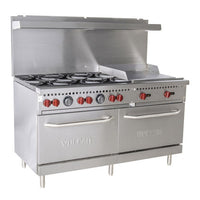
Standard commercial kitchen equipment refers to mass-produced appliances and fixtures manufactured to industry-standard dimensions. This covers the full range of professional kitchen functions, from cooking and refrigeration to food preparation, dishwashing, and storage, all available in fixed sizes through commercial equipment suppliers. Most foodservice operations use standard equipment because it is competitively priced, readily available, and straightforward to install and service. Reviewing the full range of cooking equipment available helps operators confirm which standard options cover their kitchen's core functions before considering custom alternatives.
Custom vs Standard Kitchen Equipment: Key Differences
 Here is how custom and standard commercial kitchen equipment Canada compare across the four areas that most influence the decision.
Cost and Budget
Standard equipment carries a lower upfront cost because it is mass-produced and available off the shelf. Custom fabrication involves design consultation, manufacturing lead time, and bespoke installation, all of which add to the initial investment. The right comparison, however, is total value over the equipment's lifespan rather than purchase price alone. A custom setup that processes more orders, reduces labour inefficiency, and fits the space properly can deliver better returns over five years than a cheaper standard setup that creates daily friction. For operators planning equipment budgets across every category, our Guide to Wholesale Restaurant Supplies in Canada covers cost-effective sourcing strategies for standard equipment.
Space and Layout Fit
Standard equipment is manufactured to fixed dimensions, which means kitchens with tight, irregular, or non-rectangular layouts often end up with wasted space or compromised workflows. Custom equipment is fabricated to exact measurements, making it the stronger option when layout efficiency is critical and standard sizes create bottlenecks. This applies to storage, prep areas, refrigeration, and any other area where a poor fit reduces efficiency or creates hygiene issues. As industry guidance on commercial kitchen planning consistently notes, equipment footprint mismatch is a leading cause of workflow problems in professional kitchens.
Workflow and Operational Efficiency
A well-designed kitchen is built around the workflow, not the other way around. Custom equipment allows operators to position stations, surfaces, and storage exactly where the workflow demands, reducing movement between steps and improving throughput during busy service periods. Standard equipment requires the workflow to adapt to what is available, which works well in most cases but creates limitations in specialist or high-volume environments. When reviewing the cooking line specifically, understanding trade-offs between equipment types, such as our comparison of Gas vs. Electric Commercial Fryers, illustrates how individual equipment decisions shape overall kitchen efficiency.
Maintenance and Replacement
Standard restaurant kitchen equipment benefits from widely available spare parts, established service networks, and predictable replacement timelines. When a unit fails, a replacement is usually accessible quickly through any commercial equipment supplier. Custom-fabricated equipment requires the original manufacturer or a specialist fabricator for repairs, which can mean longer lead times and higher service costs. For operators who prioritise easy maintenance and fast replacement, particularly in high-volume operations where downtime is costly, this is a key decision factor. Investing in quality refrigeration equipment from reputable suppliers, whether standard or custom, directly reduces the risk of service disruption.
Which Should You Choose?
 For most start-ups and operations with conventional layouts, standard commercial kitchen equipment is a practical, cost-effective starting point. It reliably covers the full range of core kitchen functions, is available quickly, and is straightforward to maintain. Standard equipment is also the right choice for any category where off-the-shelf performance meets operational requirements without compromise.
For established operations with irregular spaces, complex menus, or specific workflow requirements, custom commercial kitchen equipment earns its higher upfront cost through better space use and long-term operational efficiency. The strongest approach for many kitchens is a hybrid: standard equipment for mainstream functions and custom fabrication for the areas where a standard fit simply does not work. Understanding each equipment category in detail before deciding helps. Our guide on how to choose the Best Commercial Refrigerator shows how the right specification decision for a single appliance can improve efficiency and compliance across the kitchen.
The key is to plan the workflow first, then select the equipment that supports it. For kitchens exploring the full range of food preparation equipment options available, comparing standard and custom alternatives side by side at the planning stage avoids costly changes after installation.
Final Thoughts
The custom vs standard commercial kitchen equipment decision comes down to your layout, your workflow, and your long-term operational priorities. Standard equipment is the practical starting point for most operators and reliably covers the full range of core kitchen functions cost-effectively. Custom equipment earns its place when the layout demands it or when a tailored workflow measurably improves service capacity and efficiency. A3equipment supplies commercial kitchen solutions across Canada, from standard cooking and refrigeration equipment to stainless steel fabrication and storage, helping operators build kitchens designed around how they work.
Frequently Asked Questions
What is the difference between custom and standard commercial kitchen equipment?
Custom commercial kitchen equipment is designed and fabricated to fit a specific kitchen layout, workflow, or operational need. Standard equipment is mass-produced to fixed industry dimensions and available off the shelf. The key difference is fit and flexibility: custom adapts to your kitchen, while standard equipment requires your operations to work within its fixed specifications.
Is custom commercial kitchen equipment better than standard equipment?
Neither is universally better. Custom equipment suits kitchens with unusual layouts, specialist workflows, or long-term growth plans where standard dimensions create daily inefficiencies. Standard equipment suits most start-ups and conventional kitchens where off-the-shelf options cover all core functions without compromise. The right choice depends on your specific layout and operational priorities.
Is custom kitchen equipment more expensive than standard equipment?
Yes, custom equipment typically costs more upfront due to design, fabrication, and installation requirements. The better comparison is total value over the equipment's lifespan. A custom setup that improves throughput, reduces wasted space, and eliminates workflow bottlenecks can deliver a stronger return than a lower-cost standard setup that creates daily operational friction.
When should a restaurant choose custom kitchen equipment?
Custom kitchen equipment makes sense when your layout has tight or irregular dimensions that standard sizes cannot fill efficiently, your menu requires specialist preparation stations, or you are planning for future growth and want modular designs that scale with your operation. High-volume kitchens where workflow efficiency directly affects service capacity also benefit most from custom solutions.
What are the benefits of standard commercial kitchen equipment?
Standard equipment has a lower upfront cost, is available quickly, and is easy to maintain and replace. Spare parts and service support are widely available, and standard dimensions work well in most commercial kitchen formats. For most operations, standard equipment covers the full range of functions needed to run a professional kitchen efficiently and reliably.