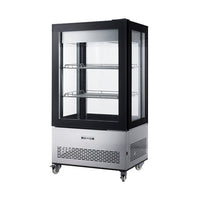
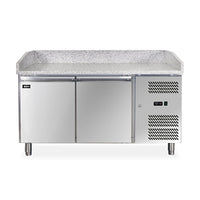
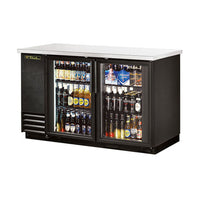

Every busy kitchen runs on timing. Orders pile up, prep lists grow, and the difference between a smooth service and a chaotic one often comes down to how well your equipment supports your team. That is where Commercial Refrigeration Canada solutions make a measurable difference. From a 2-door commercial refrigerator in the prep area to a back bar cooler behind the counter, the right cold storage equipment keeps ingredients fresh, staff moving, and costs under control.
In this guide, we break down how refrigeration systems improve food storage and workflow, and what to look for when investing in commercial refrigeration solutions for commercial kitchens.
Key Takeaways
-
Commercial refrigeration is designed for large kitchens and can maintain temperatures even with the doors open, unlike residential units.
-
Undercounter, prep table, and refrigerated workstations near the line speed up service and reduce steps.
-
Maintaining ingredient shelf life in temperature-controlled storage reduces food waste and costs.
-
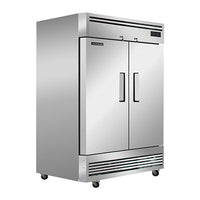
Choosing a 2-door commercial refrigerator for bulk storage, a back bar cooler for drinks, or an ice cream freezer for frozen desserts is important.
-
Over time, energy-efficient models with modern compressors, LED lighting, and self-closing doors lower utility bills.
-
Food safety and health inspections are easier with the right refrigeration setup.
Why Is Refrigeration the Backbone of Kitchen Efficiency?

Commercial kitchens deal with high volumes, frequent door openings, and strict food safety standards. Residential units simply cannot keep up. Purpose-built food preservation equipment, with powerful refrigeration compressors and rapid temperature recovery, maintains safe holding temperatures even during the busiest rush.
The benefits of commercial refrigeration in restaurants go far beyond keeping food cold:
1. Faster prep and service: Undercounter refrigerators and prep table refrigerators put ingredients exactly where cooks need them. Instead of walking to a back storage room, staff pull garnishes, sauces, and proteins from refrigerated workstations right on the line, shaving seconds off every order.
2. Less food waste: Consistent, temperature-controlled storage extends shelf life. Produce stays crisp, dairy stays safe, and proteins hold longer, which directly protects your food cost percentage.
3. Better organization: A single-door commercial refrigerator works well for compact stations, while a 2-door commercial refrigerator gives high-volume kitchens room to separate raw and ready-to-eat items. Clear zoning means less time searching and fewer cross-contamination risks.
4. Food safety compliance: Reliable commercial cooling systems hold food within safe temperature ranges and make health inspections far less stressful. You can review safe storage guidelines from the Canadian Food Inspection Agency to align your practices with national standards.
Matching Equipment to Your Workflow
The best commercial refrigeration equipment for restaurants depends on your menu, volume, and layout. Common workhorses include:
-
Reach-in refrigerators and freezers: The everyday essentials. A commercial refrigerator and freezer combo handles bulk storage, while reach-ins near the line support daily prep.
-
Prep table refrigerators: Ideal for sandwich, pizza, and salad stations, combining a worktop with chilled ingredient pans.
-
Undercounter refrigerators: Perfect for tight spaces and refrigerated workstations where every step counts.
-
Bar refrigeration: A back bar cooler keeps bottled drinks at serving temperature and within arm's reach of bartenders.
-
Ice cream freezer and dipping cabinets: An ice cream cooler maintains the precise low temperatures frozen desserts demand while displaying products attractively.
Even small cafés and home-based food businesses benefit. Many owners searching for a commercial fridge for home setup find that compact single door units deliver professional performance without taking over the space.
Energy Efficiency: Lower Bills, Same Performance

Energy-efficient commercial refrigeration for restaurants is one of the smartest long-term investments you can make. Modern units with high-efficiency refrigeration compressors, LED lighting, and improved insulation can cut energy consumption significantly compared to older models. ENERGY STAR certified commercial refrigerators use less electricity while maintaining stable temperatures, which means lower utility bills month after month.
When browsing a commercial cooler for sale, look for energy certifications, self-closing doors, and digital temperature controls. These features pay for themselves over the life of the unit.
Choosing the Right Unit for Your Kitchen
Before you buy, consider capacity, door style, footprint, and how the unit fits into your daily workflow. Our guide on how to Choose the Best Commercial Refrigerator can help you compare options, and if you are outfitting a full kitchen, our Commercial Kitchen Equipment guide covers everything from cooking lines to food-storage solutions.
At A3Equipment, we help Canadian restaurants, cafés, and food businesses find refrigeration that fits their space, budget, and menu.
Ready to upgrade your kitchen? Explore A3Equipment's full range of commercial refrigeration and build a faster, fresher, more efficient operation today.
Frequently Asked Questions
1. What is commercial refrigeration equipment?
Commercial refrigeration equipment refers to heavy-duty cooling units, such as reach-in refrigerators, freezers, prep tables, and display coolers, designed for the demands of foodservice environments.
2. How does commercial refrigeration improve kitchen efficiency?
It places ingredients closer to prep stations, speeds up service, reduces food waste, and maintains consistent temperatures so staff spend less time managing storage and more time cooking.
3. Why is commercial refrigeration important for restaurants?
It protects food safety, ensures compliance with health regulations, preserves ingredient quality, and reduces costly spoilage.
4. What types of commercial refrigeration equipment are commonly used in restaurants?
Reach-in refrigerators and freezers, undercounter refrigerators, prep table refrigerators, back bar coolers, ice cream freezers, and display merchandisers.
5. What should I consider when choosing commercial refrigeration equipment?
Consider capacity, available space, energy efficiency, door configuration, temperature range, and how the unit supports your kitchen's workflow.