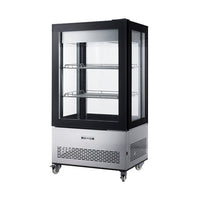
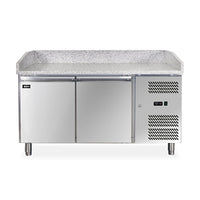
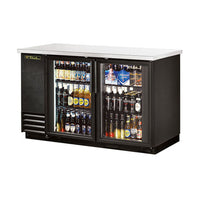
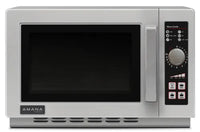

A failing commercial refrigerator can cost a restaurant thousands in spoiled inventory, rising energy bills, food safety violations, and unexpected repairs. Choosing the right commercial refrigeration equipment is essential for maintaining kitchen efficiency, protecting food quality, and supporting smooth day-to-day operations.
Whether you run a small café, a full-service restaurant, or a high-volume commercial kitchen, selecting the right refrigeration system depends on your storage needs, kitchen layout, menu type, and service volume. In this guide, we’ll break down the different types of commercial refrigerators, sizing considerations, energy efficiency factors, and key features to help you make the right investment for your business.
Key Takeaways
-
Commercial refrigerators are built for 24/7 operation in high-heat kitchens. They're nothing like household units.
-
Always assess your storage volume, menu type, kitchen layout, and service style before choosing a unit.
-
Reach-in refrigerators are best for smaller kitchens; walk-in coolers suit high-volume, bulk-storage operations.
-
Undercounter units and refrigerated prep tables maximise efficiency without consuming extra floor space.
-
A good sizing rule is plan for 1–1.5 cubic feet of refrigeration per meal served per day.
-
Always buy slightly above your current capacity to allow room for future menu or volume growth.
-
Energy Star-certified refrigerators cut electricity costs and support food safety compliance long-term.
Why Choosing the Right Commercial Refrigerator Matters?
A commercial refrigerator for restaurants is not the same as a household unit. It's designed to work nonstop in places with a lot of heat and humidity. It can run 24 hours a day, seven days a week, even if your team opens and closes doors dozens of times during their shift.
The wrong unit won't just underperform; it'll drive up your electricity bill, wear out prematurely, and put your food safety compliance at risk. Getting it right from day one protects your inventory, your customers, and your bottom line.
Step 1: Understand Your Refrigeration Needs
Before comparing models, assess your kitchen's specific demands:
-
Volume: How much food do you store daily? A high-volume restaurant has very different needs than a small café.
-
Type of menu: Are you storing raw materials, cooked foods, dairy, meat, fruits and vegetables, or all of these?
-
Kitchen layout: Do you have the floor space for a large unit, or do you need something compact?
-
Service style: Fast-casual kitchens need quick-access refrigeration. Fine dining may require dedicated zones for different food categories.
Answering these questions upfront narrows your options considerably and prevents you from over- or under-specifying your restaurant refrigeration systems.
Step 2: Know Your Refrigerator Types
The commercial refrigeration equipment market offers several distinct unit types. Each serves a different operational purpose.
Reach-In Refrigerators
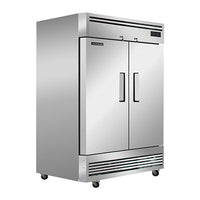
The most common choice for restaurant kitchens, a commercial reach-in refrigerator offers easy front-access storage in a compact footprint. Available in one, two, or three-door configurations, these units suit line stations, prep areas, and back-of-house storage. They're ideal for small to mid-size restaurants and are the go-to best commercial refrigerator for small restaurants.
Walk-In Coolers
A walk-in cooler for restaurants is the right call when you're dealing with bulk ingredient storage or high weekly delivery volumes. Walk-ins offer significantly more capacity and allow staff to enter and organise inventory efficiently. They're a staple for full-service restaurants, hotels, and catering operations.
Walk-in cooler vs reach-in refrigerator: If you process large volumes of raw ingredients and take frequent bulk deliveries, a walk-in is worth the footprint. If your storage needs are moderate and floor space is limited, a quality reach-in covers you well.
Undercounter Refrigerators
Designed to sit beneath prep surfaces, undercounter units keep ingredients within arm's reach on the line. They're a smart supplement to larger commercial kitchen refrigeration without consuming additional floor space.
Refrigerated Prep Tables
A refrigerated prep table has a cold work surface on top and built-in cold storage below. It is essential for salad prep lines, pizza stations, and sandwich bars. These are high-efficiency tools that reduce movement and speed up service.
Commercial Freezers
Don't overlook restaurant freezer equipment. Whether you need a reach-in freezer for daily-use frozen goods or a walk-in freezer for bulk storage, your freezer capacity should be planned alongside your refrigeration setup.
| Refrigerator Type | Best For | Storage Capacity | Space Required | Main Advantage |
|---|---|---|---|---|
| Reach-In Refrigerators | Small to medium restaurant kitchens | Medium | Low | Easy access and compact design |
| Walk-In Coolers | High-volume restaurants and bulk storage | Very High | High | Large storage and inventory organization |
| Undercounter Refrigerators | Prep stations and tight kitchen layouts | Low to Medium | Very Low | Saves floor space and improves workflow |
| Refrigerated Prep Tables | Pizza, sandwich, and salad stations | Medium | Medium | Combines prep surface with cold storage |
| Commercial Freezers | Frozen food and long-term ingredient storage | Medium to Very High | Medium to High | Maintains frozen inventory efficiently |
Step 3: How to Choose the Right Refrigerator Size
Sizing is one of the most common mistakes in commercial refrigerator buying guides. Too small and you're constantly running out of space. Too large and you're paying for capacity you never use.
A general rule: plan for 1–1.5 cubic feet of refrigeration per meal served per day. A restaurant that serves 150 people a day needs between 150 and 225 cubic feet of total restaurant cooling equipment, which is made up of freezers and refrigerators.
Also factor in:
-
Door configuration: More doors mean better temperature zoning and less cold-air loss per opening.
-
Shelving flexibility: Adjustable shelves adapt to different container heights and storage needs.
-
Compressor location: Top-mounted compressors run cleaner in hot kitchens; bottom-mounted units are easier to service but accumulate grease faster.
When sourcing commercial fridge sizes for restaurants, always buy slightly above your current need. Growing your menu or service volume is far easier when your refrigeration isn't already maxed out.
Step 4: Energy Efficiency Tips for Restaurant Refrigeration
These commercial refrigerators use less energy, which is good for the environment and your bottom line. Refrigeration can account for up to 15% of a commercial kitchen's total energy consumption. Choosing the right commercial fridge in Vancouver reduces that figure.
Look for:
-
Energy Star certification: Energy Star-rated units meet strict efficiency standards set by Natural Resources Canada and the EPA. They use less electricity without compromising cooling performance.
-
LED interior lighting: A small detail that adds up over years of continuous operation.
-
High-efficiency compressors: Modern refrigeration compressors use variable-speed technology to adjust output based on load, reducing unnecessary energy draw.
-
Proper door seals: Worn gaskets are one of the biggest sources of energy waste in commercial cooling solutions. Always check seal quality before purchasing used equipment.
For restaurants across Canada, energy-efficient restaurant refrigerators also make sense from a compliance standpoint as provincial energy standards continue to tighten.
Step 5: Consider Build Quality and Food Safety Standards
Your commercial fridge for restaurant use must meet Canadian food safety regulations. Look for:
-
Construction from stainless steel: The inside of a refrigerator made of stainless steel is non-porous, easy to clean, and bacteria can't grow on it, which is a basic requirement for food safety compliance.
-
NSF/ANSI certification: This confirms the unit meets commercial food equipment safety standards.
-
Temperature control systems: Digital temperature displays and alarm systems ensure you catch temperature fluctuations before they become food safety violations.
-
Consistent temperature range: Most commercial refrigerators should hold between 0°C and 4°C. Verify this under load, not just in idle conditions.
Step 6: Maintenance Tips for Commercial Refrigerators
Even the best restaurant refrigerator needs routine care. Build a basic maintenance checklist into your kitchen operations:
-
Clean condenser coils every 1–3 months to prevent overheating.
-
Inspect and replace door gaskets at the first sign of wear.
-
Monitor temperature logs daily.
-
Schedule professional servicing annually to extend commercial refrigerator lifespan.
Most industrial refrigerators in Canada last between 8–15 years when maintained properly. Neglect shortens that window significantly and voids most manufacturer warranties.
If you're sourcing affordable commercial refrigerators in Canada, buying from a reputable restaurant refrigeration supplier Canada that offers post-sale service and parts availability is just as important as the unit's price tag. Restaurants of all sizes in Canada trust A3 Equipment as their commercial fridge supplier because they sell high-quality equipment and offer expert support.
Final Word
Choosing the right commercial refrigerator for restaurants is one of the most important equipment decisions you'll make. Take the time to assess your volume, understand your unit options, size correctly, and invest in energy efficiency. The right refrigeration doesn't just keep food cool; it keeps your whole business safe.
Ready to find the right fit? Explore commercial refrigeration equipment at A3 Equipment. It is one of the most trusted brands among Canadian restaurants from coast to coast.
FAQs
What type of refrigerator is best for a restaurant?
The best restaurant refrigerator depends on your kitchen size, menu, and workflow. Reach-in refrigerators are ideal for smaller kitchens needing quick access, while walk-in coolers suit high-volume operations with bulk storage needs.
How do I choose the right commercial refrigerator size?
Base your decision on daily storage volume, kitchen layout, and peak service hours. A general benchmark is 1–1.5 cubic feet of refrigeration per meal served daily, with extra capacity built in for growth.
What is the difference between a walk-in cooler and a reach-in refrigerator?
Walk-in coolers offer large-scale bulk storage you can physically enter and organise. Reach-in refrigerators are great for busy kitchens because they make getting to things faster and easier in smaller spaces.
How long do commercial restaurant refrigerators last?
With proper maintenance, most commercial refrigerators last 8–15 years. Regular cleaning, temperature monitoring, and annual servicing are the keys to maximising lifespan.
Are energy-efficient commercial refrigerators worth it?
Absolutely. Energy Star-rated units save money on electricity, keep temperatures more stable, and help with food safety regulations, so they pay for themselves over time.