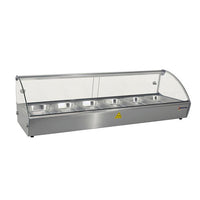
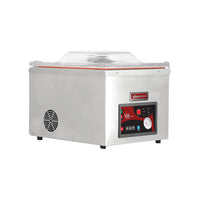
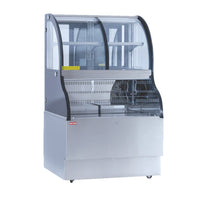
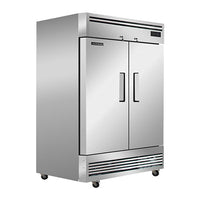
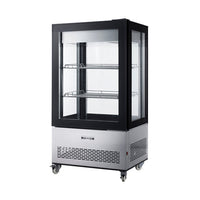
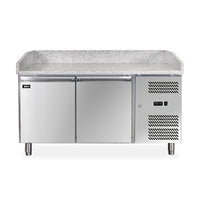
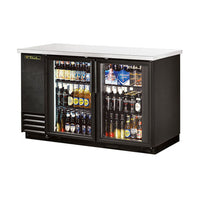
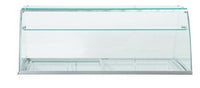

Keeping prepared food warm, fresh and ready to serve is an important part of running a successful commercial kitchen. Whether you operate a restaurant, hotel, café, buffet, catering business or cafeteria, having the right commercial food holding equipment can help maintain food quality, improve service efficiency and support smooth kitchen operations.
From heated food tables and countertop warmers to commercial holding cabinets and heated display cases, different types of equipment are designed to meet different foodservice requirements. Some are ideal for buffet-style service, while others help keep prepared meals, soups, pizza and other menu items warm until customers are ready to order.
Choosing the right commercial food warming equipment depends on your menu, daily serving volume, available kitchen space and the type of service you provide.
In this guide, we explore the different types of commercial food holding and warming equipment, their applications, important features to consider and common buying mistakes to avoid. This will help you make an informed decision when selecting equipment for your commercial kitchen.
Types of Commercial Food Holding & Warming Equipment
Commercial kitchens use different types of food warming equipment depending on the menu and serving requirements. Here is an overview of the most common options.
|
Equipment Type |
Common Applications |
Best For |
|
Hot Food Tables |
Prepared meals, vegetables, sides and hot dishes |
Buffets, cafeterias, restaurants |
|
Heated Display Cases |
Pizza, baked goods and prepared foods |
Bakeries, delis, convenience stores |
|
Commercial Food Warmers |
Prepared meals and hot food items |
Restaurants, catering businesses |
|
Soup Kettles |
Soups, chili, sauces and chowders |
Cafés, hotels, buffets |
|
Pizza Warmers |
Pizza slices and whole pizzas |
Pizzerias, food courts, convenience stores |
|
Rice Cookers & Warmers |
Rice and other suitable cooked grains |
Restaurants, Asian kitchens, catering |
|
Conveyor Toasters |
Bread, bagels and breakfast toast |
Hotels, cafés, breakfast stations |
|
Food Holding Cabinets |
Cooked meals, meats and prepared food pans |
Banquet halls, catering, hotels |
Understanding these equipment types will help you identify the right solution for your kitchen.
Why Is Commercial Food Holding Equipment Important?
 Food holding and warming equipment plays an important role in maintaining an efficient foodservice operation. It helps businesses manage prepared food between cooking and serving without requiring every item to be prepared at the exact moment an order is placed.
Here are some important benefits:
-
Improves Service Efficiency: Keeps prepared food ready for service, helping staff manage busy periods more effectively.
-
Supports Food Quality: Appropriate holding conditions help maintain the texture, moisture and serving quality of different food items.
-
Maintains Serving Temperature: Designed to keep properly cooked food hot during service when operated correctly.
-
Reduces Kitchen Workload: Allows kitchen teams to prepare certain menu items in advance and organize service more efficiently.
-
Supports Buffet Operations: Makes it easier to serve multiple dishes in an organized self-service or staff-served environment.
-
Improves Food Presentation: Heated display equipment allows businesses to showcase prepared food while keeping it warm.
-
Supports High-Volume Operations: Helps restaurants, hotels and catering companies manage larger quantities of prepared food.
The right equipment can make a noticeable difference in daily kitchen operations, particularly during breakfast service, lunch rushes, banquets and other high-demand periods.
Types of Commercial Food Warming Equipment Explained
1. Hot Food Tables
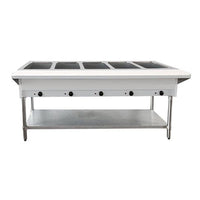
Hot food tables are designed to keep prepared dishes warm in heated wells or food pans. They are commonly used in buffet lines, cafeterias, hotels and institutional kitchens where multiple food items need to be available at the same time.
Common applications include:
-
Cooked vegetables and side dishes
-
Rice and pasta
-
Prepared meats
-
Sauces and gravies
-
Buffet meals
Best for: Hotels, restaurants, school cafeterias, catering companies and buffet operations.
Key benefits:
-
Allows multiple dishes to be served from one station.
-
Supports organized buffet and cafeteria service.
-
Makes prepared food accessible to serving staff and customers.
-
Helps maintain appropriate food temperatures when correctly operated.
-
Available in different configurations to accommodate serving requirements.
When selecting a hot food table, consider the number of wells, pan sizes, heating method and available electrical or gas connections.
2. Heated Display Cases
Heated display cases combine food warming functionality with an attractive display area. They are designed to keep selected prepared food items warm while allowing customers to view available products.
These units are commonly found in retail food counters and businesses where product visibility can influence purchasing decisions.
Common applications include:
-
Prepared snacks
-
Pizza slices
-
Pastries and baked goods
-
Hot sandwiches
-
Ready-to-serve food items
Best for: Bakeries, cafés, convenience stores, delis and food courts.
Key benefits:
-
Improves product visibility and presentation.
-
Keeps suitable prepared foods warm during service.
-
Supports self-service and counter-service operations.
-
Helps organize food products in an accessible display area.
-
Encourages convenient grab-and-go purchasing.
Before purchasing, consider display capacity, temperature controls, visibility, cleaning requirements and the type of food being displayed.
3. Commercial Food Warmers
Commercial food warmers are used to maintain the serving temperature of prepared food in restaurants, commercial kitchens and foodservice operations.
Depending on the design, they may be installed on countertops or used as larger floor-standing units.
Common applications include:
-
Prepared meals
-
Cooked vegetables
-
Side dishes
-
Hot food portions
-
Prepared menu items
Best for: Restaurants, cafés, catering businesses and commercial kitchens.
Key benefits:
-
Supports efficient food service.
-
Helps maintain consistent serving temperatures.
-
Provides convenient access to prepared food.
-
Available in different sizes and configurations.
-
Helps organize kitchen and serving stations.
Choose a commercial food warmer based on your menu, available space, required capacity and temperature control features.
4. Commercial Soup Kettles
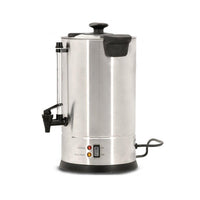
Commercial soup kettles are countertop warming units designed to hold and serve soups, sauces, chili and other liquid-based foods.
They are particularly useful for businesses that offer soups or similar menu items throughout the day.
Common applications include:
-
Tomato and vegetable soups
-
Chicken soup
-
Chili and chowder
-
Gravies and sauces
-
Other suitable liquid-based dishes
Best for: Restaurants, hotels, cafés, buffets and catering operations.
Key benefits:
-
Convenient countertop operation.
-
Helps maintain serving temperature.
-
Suitable for self-service and staff-served stations.
-
Provides easy access to frequently served soups.
-
Available in different capacities and designs.
When choosing a soup kettle, consider its capacity, thermostat range, removable insert, lid design and cleaning requirements.
5. Commercial Pizza Warmers
Commercial pizza warmers are designed to hold prepared pizzas at an appropriate serving temperature before they are served or collected by customers.
They are useful for businesses that prepare pizzas in batches or handle frequent takeaway and delivery orders.
Common applications include:
-
Whole pizzas
-
Pizza slices
-
Takeaway orders
-
Prepared pizza products
Best for: Pizzerias, restaurants, food courts and convenience stores.
Key benefits:
-
Keeps prepared pizzas available during busy service periods.
-
Helps organize takeaway and counter-service operations.
-
Provides convenient access to prepared orders.
-
Supports efficient food handling.
-
Some models offer humidity controls to help manage product quality.
Consider the number of pizzas you need to hold, shelf configuration, temperature settings and available counter space before purchasing.
6. Rice Cookers & Warmers
Commercial rice cookers and warmers are designed for foodservice businesses that prepare and serve rice regularly.
Many models allow operators to cook rice and then maintain it at an appropriate serving temperature, depending on the manufacturer's instructions.
Common applications include:
-
White rice
-
Brown rice
-
Basmati rice
-
Other suitable cooked grains
Best for: Asian restaurants, hotels, buffets, catering companies and high-volume kitchens.
Key benefits:
-
Supports batch preparation.
-
Helps maintain rice quality during service.
-
Reduces repeated manual preparation.
-
Available in different capacities.
-
Useful for businesses with regular rice-based menu items.
Select a unit according to your daily rice requirements, batch size, cooking capacity and holding functionality.
7. Commercial Conveyor Toasters
Commercial conveyor toasters are designed to toast bread continuously using a moving conveyor belt. They allow kitchen staff to prepare consistent batches of toast without manually operating individual toaster slots.
Common applications include:
-
Bread slices
-
Bagels
-
Breakfast toast
-
Suitable bakery products
Best for: Hotels, restaurants, cafés, breakfast buffets and cafeterias.
Key benefits:
-
Supports continuous toast production.
-
Helps manage high-volume breakfast service.
-
Offers adjustable settings on many models.
-
Reduces repetitive manual handling.
-
Provides consistent production when correctly configured.
Consider conveyor speed, adjustable heating settings, output capacity and available electrical supply when selecting a commercial conveyor toaster.
8. Commercial Food Holding Cabinets
Commercial food holding cabinets are enclosed, heated units designed to hold already-cooked food in trays or pans before serving.
They are particularly useful for businesses that prepare food in advance or serve large numbers of customers.
Common applications include:
-
Cooked meats
-
Prepared vegetables
-
Full-pan meals
-
Catering dishes
-
Banquet food preparation
Best for: Hotels, catering companies, banquet halls, hospitals and large commercial kitchens.
Key benefits:
-
Provides organized storage for prepared food.
-
Supports batch cooking and planned service.
-
Helps maintain suitable holding temperatures.
-
Reduces congestion around cooking equipment.
-
Available in different pan capacities and configurations.
When purchasing a holding cabinet, check its pan capacity, insulation, temperature range, door design, mobility and electrical requirements.
How to Choose the Right Commercial Food Holding Equipment
 Selecting the right equipment requires understanding your kitchen's daily operations. Before making a purchase, consider the following factors.
1. Understand Your Foodservice Requirements
Start by identifying the types of food you need to hold. Soups, sauces, rice, pizza and fried foods have different holding requirements.
Choose equipment designed for your specific menu rather than selecting a general-purpose warmer for every application.
2. Consider Daily Serving Volume
Estimate how much food you prepare and serve during your busiest periods.
Restaurants and catering businesses with high-volume operations may require larger-capacity equipment to reduce frequent refilling and improve service flow.
3. Check Available Kitchen Space
Measure your countertop, floor space and serving area before purchasing.
Consider the equipment's width, height, depth and clearance requirements to ensure it fits comfortably into your kitchen layout.
4. Evaluate Temperature Control
Temperature control is important for maintaining food quality and supporting food safety.
Look for suitable thermostat controls and temperature monitoring features. Always follow local food safety requirements and manufacturer instructions.
5. Choose the Right Heating Method
Different food products benefit from different heating methods.
For example, moist holding conditions may be suitable for soups, rice and certain cooked dishes, while dry heat may be more appropriate for foods where crispness matters.
6. Review Cleaning and Maintenance Requirements
Commercial kitchen equipment needs regular cleaning to maintain hygiene and performance.
Look for removable components, accessible interiors, easy-to-clean surfaces and convenient drainage where applicable.
7. Check Electrical and Installation Requirements
Before ordering, verify voltage, wattage, plug type and power supply requirements.
Some commercial equipment may require specific electrical connections or professional installation.
8. Consider Long-Term Durability
Choose commercial-grade equipment designed for regular foodservice use.
Review construction materials, component quality, manufacturer information, warranty coverage and maintenance support.
Key Features to Consider Before Buying

Here are some additional features worth comparing when selecting commercial food warming equipment.
|
Feature |
What to Check |
|
Capacity |
Pan size, number of compartments and holding volume |
|
Temperature Control |
Adjustable settings and temperature monitoring |
|
Construction |
Stainless steel and suitable commercial-grade materials |
|
Heating System |
Wet heat, dry heat or other model-specific technology |
|
Mobility |
Casters and locking wheels where required |
|
Cleaning |
Removable trays, inserts and accessible components |
|
Energy Requirements |
Voltage, wattage and operating requirements |
|
Design |
Countertop, floor-standing or built-in configuration |
Comparing these features can help you select equipment that suits your kitchen's workflow and long-term operational requirements.
5 Common Mistakes to Avoid When Buying Food Warming Equipment
1. Choosing Equipment Based Only on Price
A lower purchase price does not always mean better long-term value. Consider durability, capacity, operating requirements and maintenance costs.
2. Selecting the Wrong Equipment for Your Menu
A soup kettle, pizza warmer and heated display case serve different purposes. Always match the equipment to the food you prepare and serve.
3. Underestimating Capacity Requirements
Equipment that works during quieter periods may not handle peak service. Consider your busiest operating hours before choosing a size.
4. Ignoring Temperature and Food Safety Requirements
Not every warmer maintains the same temperature range. Check product specifications and ensure the equipment is appropriate for your intended hot-holding application.
5. Overlooking Space and Power Requirements
Failing to measure the installation area or check electrical requirements can create unnecessary problems after delivery.
Planning these details before purchasing can help avoid additional costs and operational difficulties.
How to Select the Right Equipment for Your Business
Different foodservice businesses have different equipment requirements.
|
Business Type |
Recommended Equipment |
|
Restaurants |
Food Warmers, Soup Kettles, Rice Warmers |
|
Hotels |
Hot Food Tables, Food Holding Cabinets, Conveyor Toasters |
|
Cafés |
Heated Display Cases, Soup Kettles, Food Warmers |
|
Catering Companies |
Food Holding Cabinets, Hot Food Tables |
|
Bakeries |
Heated Display Cases |
|
Convenience Stores |
Pizza Warmers, Heated Display Cases |
|
Buffets & Cafeterias |
Hot Food Tables, Food Holding Cabinets |
The best combination depends on your menu, serving style, available space and daily customer volume.
Frequently Asked Questions
1. What is commercial food holding equipment?
Commercial food holding equipment is designed to maintain the serving temperature of already-cooked food until it is ready to be served. Common examples include food holding cabinets, hot food tables, soup kettles and commercial food warmers.
2. What is the difference between a food warmer and a holding cabinet?
A commercial food warmer is a general term for equipment that maintains prepared food at serving temperature. A food holding cabinet is an enclosed, insulated unit designed to hold food in trays or pans, often in larger quantities.
3. What temperature should hot food be held at in Canada?
Health Canada's general food safety guidance recommends keeping hot foods at or above 60°C (140°F). Businesses should also follow their applicable provincial and local public health requirements and monitor food temperatures using an appropriate thermometer.
4. Which food warmer is best for restaurants?
The best option depends on the restaurant's menu and service style. Countertop food warmers are useful for general hot holding, soup kettles are suitable for liquid-based foods, and hot food tables work well for buffet-style service.
5. Are commercial food holding cabinets suitable for catering businesses?
Yes. Commercial food holding cabinets are useful for catering operations because they provide enclosed storage for prepared food in multiple pans. Capacity, mobility, temperature range and electrical requirements should be considered before purchasing.
6. How do you maintain commercial food warming equipment?
Follow the manufacturer's cleaning and maintenance instructions. Clean removable components regularly, check temperature controls, inspect electrical connections and ensure that heating components are functioning correctly.
7. How do I choose the right size commercial food warmer?
Consider your daily food volume, peak serving requirements, menu items and available space. Compare the capacity of different models and choose a unit that can comfortably accommodate your busiest service periods.
Explore Commercial Holding & Warming Equipment at A3Equipment
Choosing the right equipment can help your kitchen maintain an organized workflow, serve customers efficiently and manage prepared food throughout the day.
At A3Equipment, we offer a range of commercial holding and warming equipment for restaurants, hotels, cafés, catering companies and other foodservice businesses across Canada.
Whether you need commercial food warmers, hot food tables, heated display cases, soup kettles, pizza warmers, rice cookers or food holding cabinets, explore our collection to find equipment that matches your operational requirements.
Browse our Commercial Holding & Warming Equipment Collection and find suitable solutions for your commercial kitchen.
Looking for help selecting the right equipment? Contact A3Equipment to discuss your kitchen requirements and equipment options.