Store Credit — 5% off your next order
Your first order is at regular price. Once that order is placed you earn 5% store credit on any product — the discount is applied automatically at checkout from your 2nd purchase onward. Just be signed in to the same account you ordered with.

Quick view

- 1
- 2

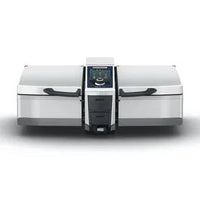
Commercial Combi Ovens
Commercial Combi Ovens for Professional Kitchens
Commercial combi ovens combine convection heat and steam in one cooking chamber, giving kitchens the ability to roast, bake, steam and reheat using a single piece of equipment. Instead of running separate convection ovens and steamers, a kitchen team can switch cooking modes on one unit and cover most of a menu without changing stations.
That flexibility is why commercial combi ovens are common across a wide range of foodservice operations. Restaurants use them to handle proteins, vegetables and baked items through a single service. Hotels and catering operations rely on them for banquet production, where consistent output across large batches matters more than any single dish. Bakeries use the steam function for proofing and crust development, and institutional kitchens, from hospitals to cafeterias, use combi ovens for high-volume batch cooking and reheating.
A3 Equipment carries electric and gas commercial combi ovens in a range of pan capacities, suited to everything from a small restaurant kitchen to a high-output commercial kitchen running continuous service. The sections below explain how combi ovens work, what to consider when choosing one, and what to check before you buy.
 Restaurantsproteins, vegetables and baking through one service
 Hotels & cateringconsistent output across large banquet batches
 Bakeriessteam for proofing and crust development
 Institutional kitchenshigh-volume batch cooking and reheating
What Is a Commercial Combi Oven?
A commercial combi oven is a professional cooking appliance that combines convection heat and steam in one cooking chamber. It allows foodservice kitchens to use dry heat, steam or both together, depending on what the dish requires.

Convection Cooking
In convection mode, a fan circulates hot air evenly around the cooking chamber. This airflow supports roasting, baking and browning, and produces more even results than a still-air oven because heat reaches every part of the pan at a consistent rate.

Steam Cooking
In steam mode, the oven generates steam instead of dry heat. This is used for cooking vegetables, seafood, rice and other items where moisture retention matters. Steam cooking also tends to preserve texture and colour better than boiling.

Combination Cooking
Combination mode uses convection heat and steam together. The added humidity helps keep proteins from drying out during roasting, supports better crust development on bread, and allows reheated food to come back to temperature without becoming dry or tough.

How a Combi Oven Works
A commercial combi oven works by controlling three variables inside a sealed cooking chamber: temperature, humidity and airflow. The operator (or a programmed setting) sets the cooking mode, temperature and humidity level for the dish, and the oven maintains those conditions through the cook.
Many models offer programmable settings so a kitchen can save specific combinations for recurring menu items, which helps keep results consistent across different shifts and staff.
Benefits of Commercial Combi Ovens

- Multiple cooking methods in one unitConvection, steam and combination cooking cover most of a kitchen's roasting, baking, steaming and reheating needs without switching equipment.
- Cooking consistencyBecause temperature and humidity are controlled directly, results are less dependent on which cook is running the line that day.
- Steam and moisture controlControlled humidity helps retain moisture in proteins and supports better texture in baked and reheated items compared to dry heat alone.
- Higher cooking capacityMulti-pan configurations allow kitchens to cook larger batches at once, which supports banquet service, catering production and high-volume menus.
- Menu flexibilityA single combi oven can support a broad menu, from roasted proteins to steamed vegetables to baked goods, without dedicated equipment for each category.
- Efficient use of kitchen spaceConsolidating cooking functions into one appliance can free up floor space that would otherwise be used for a separate steamer or second oven.
Many models also include programmable cooking settings and automatic cleaning cycles, which reduce manual input during service and at close.
Types of Commercial Combi Ovens
Commercial combi ovens are typically categorized by fuel type, size and pan capacity. The right combination depends on your kitchen's utilities, available space and production volume.


6-Pan, 10-Pan and 20-Pan Combi Ovens
Pan capacity is one of the clearest ways to compare combi ovens for a given kitchen.
| Capacity | Typically suited to |
|---|---|
| 6-pan | Smaller kitchens, cafés, lower-volume menus |
| 10-pan | Mid-size restaurants and kitchens with moderate batch needs |
| 20-pan | High-volume kitchens, hotels, banquet and catering production |
No single capacity is right for every kitchen. The correct choice depends on how many pans you need in the oven during your busiest service, not your average day.
How to Choose the Right Commercial Combi Oven
Choosing a commercial combi oven depends on your production volume, menu, required pan capacity, available utilities, kitchen space and how the equipment will be operated day to day. Working through each of these factors narrows the decision to a short list of suitable models.
- Cooking capacityCount how many pans you need in the oven at once during peak service, and choose a capacity that covers that volume with some room to grow.
- Pan size and configurationConfirm the oven's pan configuration matches the cookware and tray sizes your kitchen already uses.
- Gas or electric requirementsCheck what utilities are available in your kitchen and confirm the voltage, phase or gas connection required by the model you're considering.
- Available kitchen spaceMeasure the footprint, door clearance and service access, not just the space where the unit will sit.
- Menu and cooking applicationsConsider which cooking modes your menu actually uses: steaming, roasting, baking, braising or reheating.
- Controls and automationDecide whether manual controls or programmable settings better suit how your kitchen operates and how consistent you need results to be across shifts.
- Cleaning requirementsReview what cleaning features are included and how they fit into your closing routine.
- Installation and ventilationConfirm water supply, drainage and ventilation requirements meet local code before you order.
| Consideration | What to check |
|---|---|
| Capacity | Match production volume and batch requirements |
| Fuel | Electric, natural gas or propane |
| Pan configuration | Match production and cookware requirements |
| Kitchen space | Check footprint and installation area |
| Menu | Consider steaming, roasting, baking and reheating |
| Controls | Consider manual or programmable operation |
| Cleaning | Review available cleaning features |
If you're not sure which capacity or configuration fits your kitchen, contact A3 Equipment with your menu and space details and our team can help narrow the options.

Why Buy Combi Ovens from A3 Equipment?
A3 Equipment supplies commercial foodservice equipment to restaurants, hotels, bakeries and catering operations across Canada, with a focus on helping buyers select equipment suited to their actual kitchen, not just the most popular model.
Our team can walk through capacity, fuel type and configuration questions with you directly, based on your menu and kitchen space, so you're not choosing between listings without context. We carry electric and gas combi ovens across multiple pan capacities, giving you options to compare rather than a single fixed choice.
If you're upgrading an existing kitchen or building one from scratch, our team can help you confirm the right configuration before you order, so the equipment you receive matches your space and utilities. Browse our current range of commercial combi ovens above, or contact us directly if you'd like help choosing between models.
Commercial Combi Oven FAQs
What is a commercial combi oven?
A commercial combi oven is a professional cooking appliance that combines convection heat and steam in one cooking chamber. It lets kitchens use dry heat, steam or both together, covering roasting, baking, steaming and reheating in a single unit.
What can you cook in a combi oven?
Combi ovens handle a wide range of foods, including proteins like beef, poultry and seafood, vegetables, rice and grains, bread and pastry, and batch-prepared or reheated meals. Most kitchens use one unit across several menu categories.
What is the difference between a combi oven and a convection oven?
A convection oven circulates dry hot air only. A combi oven adds controlled steam, either on its own or combined with convection heat, which supports better moisture retention and gives kitchens more cooking flexibility than dry heat alone.
Are commercial combi ovens available in gas and electric models?
Yes. Combi ovens are available in electric and gas (natural gas or propane) configurations, depending on the model. The right choice depends on the utilities already available in your kitchen.
What size combi oven do I need for my restaurant?
It depends on your production volume and menu. Smaller kitchens or lighter menus are often suited to 6-pan models, while higher-volume kitchens and banquet operations typically need 10-pan or 20-pan capacity to cover peak service.
How many pans can a commercial combi oven hold?
Commercial combi ovens are commonly available in 6-pan, 10-pan and 20-pan configurations, with capacity chosen to match the batch sizes a kitchen needs during its busiest service periods.
Do commercial combi ovens require a water connection?
Most commercial combi ovens require a water supply for steam generation, along with proper drainage. Exact requirements vary by model, so it's worth confirming plumbing needs before installation.
How do I choose the right commercial combi oven?
Choosing the right combi oven depends on your cooking capacity needs, menu, available gas or electric utilities, kitchen space and how you plan to operate and clean the unit. Matching these factors to a specific model is the most reliable way to select equipment that fits your kitchen.
Not sure which combi oven fits your kitchen?
Send us your menu, your pan count at peak service and the gas or electrical supply you have on site. We will come back with the models that fit and a delivery quote for your address.
- Phone
- (778) 512-5098
- Toll-free
- +1 833-673-1893
- Info@a3trading.ca
- Warehouse
- 107 12332 Pattullo Pl, Surrey, BC V3V 8C3